
Educational
Technology
On this page:
Philosophy of Educational Technology
Breadth of Technological Familiarity
Expertise & Passion
Examples of Resources I Created
Educational
Technology
On this page:
Philosophy of Educational Technology
Breadth of Technological Familiarity
Expertise & Passion
Examples of Resources I Created
Philosophy of Educational Technology
In education, the goal of technology is to serve the needs of students, fostering personalized learning experiences while upholding principles of accessibility and equity. As an educator, my role is to judiciously apply technology to enhance student success, recognizing its potential to empower learners and cultivate critical digital literacy skills.
I believe in shaping technology to serve learning rather than vice versa, prioritizing pedagogical integration and evidence-based practices. From providing physical technologies for tactile engagement to utilizing AI-driven solutions for personalized learning, I employ a diverse range of tools to meet the unique needs of every student.
For example, physical object technologies offer students opportunities for sensory engagement without disrupting the class, while software technologies like text-to-speech assist struggling readers. Additionally,
display technologies provide interactive surfaces for students to engage with content, and AI technologies can adapt text to match students’ reading levels, making comprehension more accessible.
However, I also acknowledge the importance of knowing when to limit technology use and of fostering digital citizenship alongside its integration. Through ongoing professional development and reflective practice, I strive to stay abreast of emerging trends and adapt my approach to maximize the benefits of technology for student learning.
Ultimately, my philosophy underscores the transformative potential of technology in education, guided by a commitment to student-centeredness, pedagogical innovation, and ethical use of technology to create inclusive learning environments for all students.
Skills & Capabilities
I have been using technology in a variety of contexts, including for presenting and communicating information, for over thirty years. In addition, the Educational Technology concentration has enhanced my exposure to a number of technologies, including physical computers for coding and robotics, and emerging Artificial Intelligence technologies. This chart provides an introductory look into the wide range of technologies with which I am familiar.

Expertise & Passion
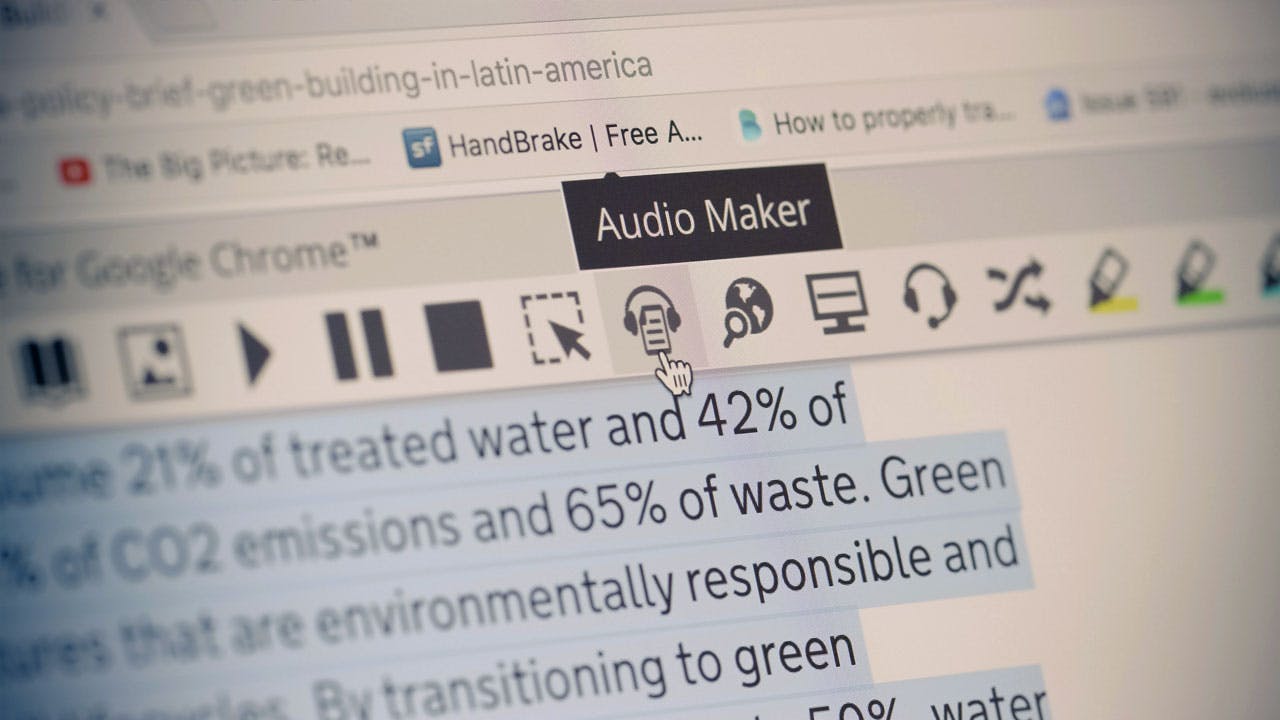
Assistive Technology
I have seen firsthand the need for technology to assist struggling learners through experience with my child who has a Learning Disability in reading. Access to the right tools can help students succeed where they might otherwise not be able. I had the opportunity to have a practicum placement at Sagonaska Demonstration School in Belleville, ON where I focused on learning more about how assistive technology is used to help students with learning disabilities.
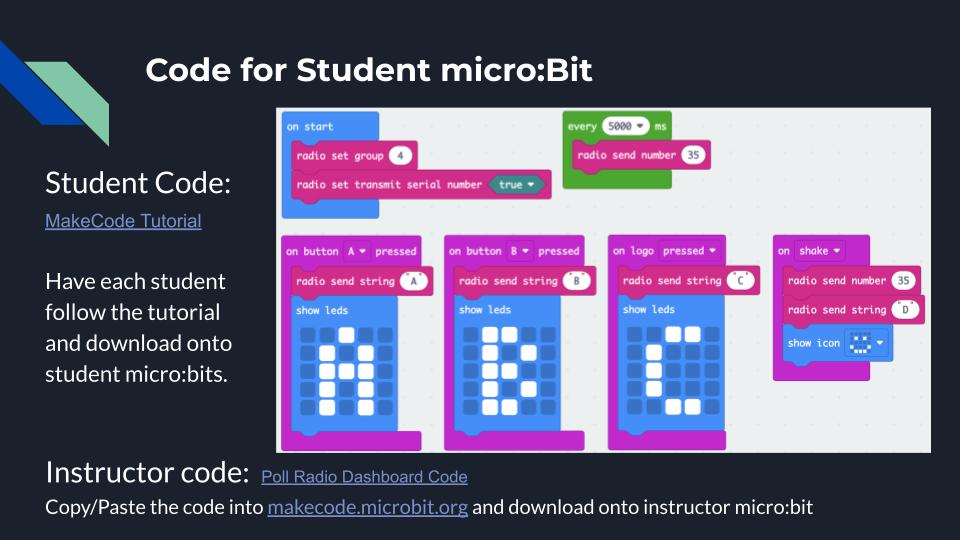
micro:bits & Coding
I really enjoyed learning about micro:bit micro-computers and what we can do with them during our Ed. Tech classes. They are a fun way to get students engaged in coding, with all kinds of room for cross-curricular creativity and exploration. For one of our class projects I taught myself how to make a tutorial to guide students through a coding project in the Microsoft MakeCode block coding environment.
Artifacts
AI Tutoring Paper
A research paper exploring the usefulness of emerging Artificial Intelligence technologies as tailored tutoring solutions for students.
History Project
This project aimed to use technology to help students be more engaged with history and social studies by utilizing ChatGPT for research and interaction with the subject.
ChatGPT Guide
For the History Project I created a teacher resource to guide students in using ChatGPT safely, as well as how to use prompts to setup ChatGPT to role play as a historical figure.